

When I think about Lake Webster, what often comes to mind isn’t just its beautiful shoreline or peaceful mornings. It’s the sense of thrill knowing that, under those calm waters, some real predators are lurking. These fish aren’t the kind you stumble across easily; they’re prized among anglers for their fight, their size, and the stories people swap back at the dock. In this article, I’ll break down what I see as the top five predatory fish in Lake Webster. If you’re interested in fishing, ecology, or you just like knowing what’s out there, I think you’ll find this a handy guide.
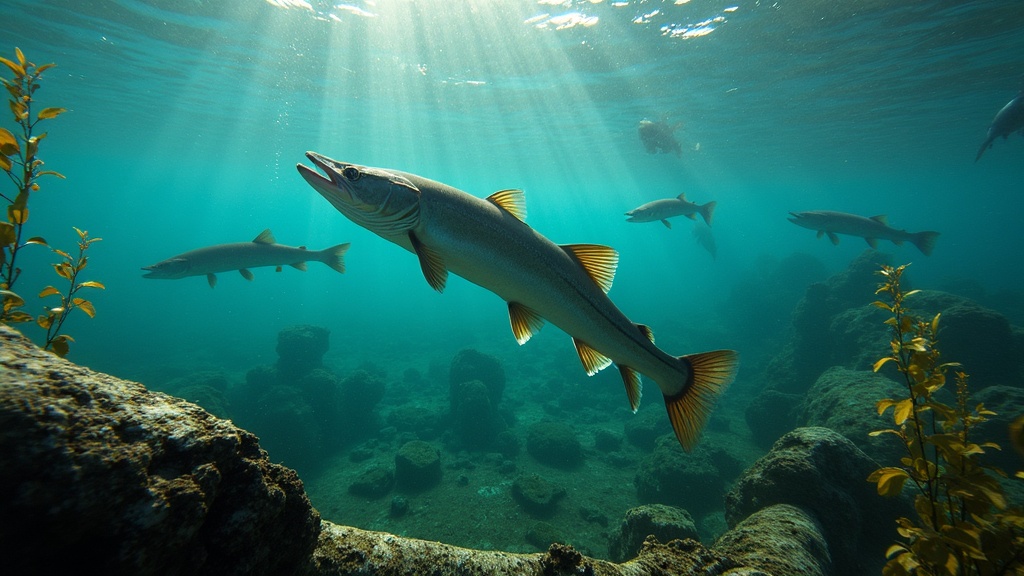
Understanding Predatory Fish In Lake Webster
The idea of “predatory fish” might sound a bit dramatic, but in a lake system, these species shape the entire food web. When I fish or just observe at Lake Webster, I often see predatory fish influencing the movement of baitfish, keeping smaller fish populations in check, and, honestly, sometimes disrupting the day for even pretty sizable fish. Each predator on my list has a distinct niche, ranging from open-water chasers to ambush hunters that hide in the weeds.
Lake Webster is especially renowned across Indiana for its trophy muskellunge, but upon closer examination, I discovered that the lake offers a diverse range of aggressive, meat-eating fish. So while muskie gets a lot of the press, there’s way more going on below the surface. Some species have almost local celebrity status in angling circles, others are more under the radar but just as impressive in their own ways.
Interestingly, the presence of these dominant predators has a direct impact on the numbers and health of other species in the lake. Spotting a big muskie or pike often means there’s a healthy prey fish population, too, which is a good sign for the entire ecosystem. Plus, their stories attract anglers from across the Midwest, giving Lake Webster a unique standing among Indiana’s fishing lakes.
Top 5 Predatory Fish of Lake Webster
If you’re new to fishing this Indiana lake, you might be surprised at just how many big predators call it home. Here’s my list, starting with the most famous.
- Muskellunge (Muskie)
- Northern Pike
- Largemouth Bass
- Walleye
- Channel Catfish
Muskellunge (Muskie)
I don’t think anyone can seriously talk about Lake Webster’s predators without mentioning the muskie first. This is the fish most folks travel for. A giant, sleek ambush predator, muskie holds a reputation for being pretty challenging to catch. Local stocking programs (see Indiana DNR Resources) have established Lake Webster as a muskie hotspot.
Muskies often hang out in areas with dense weed beds or fallen timber, waiting to rocket out and snag a passing fish, frog, or even a duckling. Some people refer to them as the fish of ten thousand casts. It can take a while to get one to bite, but once you do, it’s really hard to forget that fight. I usually spot them in spring and fall, especially early mornings.
For anglers targeting muskie, patience is key. Successful muskie hunters carefully research recent fishing reports, study water temperature changes, and keep an eye out for baitfish schools, since muskie are rarely far behind. Many visitors come equipped with specialized rods, big lures like bucktails and spinnerbaits, and steel leaders so the muskie’s teeth don’t cut the line.
Northern Pike
Pike don’t get as much glory as their larger muskie cousins, but that doesn’t mean they’re any less of a predator. Actually, I find Pike a good introduction for anyone looking to get into hunting toothy fish. They bite a little more often, and they definitely hit hard. You’ll notice their long, torpedo-shaped bodies and sharp teeth. Like muskies, pike prefer hiding out in weeds and shallow structures, striking at bluegill and perch as they pass by.
Their appetites are pretty wild. I once saw a northern pike try to eat a nearly full-sized crappie. Sometimes they go a little too aggressive for their own good, but that’s half the excitement.
In early spring, pike are often active in shallower bays, making them accessible from shore. As the season progresses, they adjust to changes in water temperature and prey activity. They’re a favorite among visiting anglers who want fast-paced action but aren’t quite ready to chase the elusive muskie.
Largemouth Bass
Bass get a lot of attention because they’re everywhere in the U.S., and Lake Webster is no exception. I’ll say right away that largemouth bass aren’t the biggest predator in the lake, but they make up for that with sheer attitude and feeding style. They’ll eat pretty much anything, from frogs to smaller fish to the occasional unlucky crawdad.
When the weather is warmer, you’ll spot bass in the edges of weed beds or lurking under docks. Early mornings and evenings are when they get most aggressive, in my experience. They’re a favorite for lots of anglers since they give you a good fight for their size, and they’re usually a little easier to find than some of the other names on this list.
Local tournaments often feature largemouth bass as the main catch. These tournaments bring out creative strategies and fun competitions; it’s not uncommon to see friends and families comparing who bagged the feistiest bass. Despite their size, bass add a lot of excitement because of their unpredictability—they might strike a topwater lure with spectacular jumps or snatch a worm off the bottom in an instant.
Walleye
Walleye might look pretty unassuming if you just glance at one, but they’re one of Lake Webster’s more skilled predators. Their big eyes are adapted for low-light hunting, so I’ve had the most luck targeting them at dawn, dusk, or even at night. Their teeth aren’t quite as dramatic as pike or muskie, but make no mistake: walleye are built for gobbling up shad, perch, and just about any fish they can catch.
These fish typically avoid the bright midday sun by inhabiting the deeper parts of the lake. The trick is to remember walleye feed when the light is low, so they’ll hunt across shallow flats and drop-offs during those times.
Walleyes are highly prized for their mild-tasting fillets. Many local anglers love spotlighting at night during the walleye run or trolling crankbaits along rocky points and drop-offs. Patience and subtlety are crucial—these fish can be picky, but when you feel that steady pull at the end of the line, it’s worth the effort.
Channel Catfish
Many people might not place channel catfish high on their mental list of “predators,” but if you watch them at night, you’ll see they’re serious hunters. Sure, they’ll eat dead stuff or scavenge, but channel cats at Lake Webster also actively hunt live fish and other critters. I’ve even seen them chasing shad under a spotlight. They’ve got powerful senses, especially when the water gets dark or murky.
I like to target them with live bait, but even cut shad or other fish can bring in a big one. They’re more commonly caught in summer, but I’ve come across a few even when the water gets chilly.
Catfishing is especially popular on warm summer nights when the lake buzzes with life after dark. Anglers often swap stories of massive catfish caught right off the shoreline, sometimes using nothing more than a simple rig and a piece of cut bait. Don’t underestimate these whiskered predators, as they sometimes get pretty big and put up a strong fight.
What Makes These Fish Top Predators?
The fish I’ve listed above have a lot in common, but each brings its own twist to “predatory behavior.” Some, like muskies and pike, are called “apex” predators, meaning they have very few natural threats in the lake once they’re full-grown. Bass, walleye, and catfish may have a few more risks early on, but once they hit adult size, most other fish give them a wide berth.
The main thing they share is a well-developed sense for hunting. That might mean extreme speed, like a muskie’s burst, or the patience and sensory skills of a catfish. They also help maintain the lake’s ecosystem balance, culling smaller and weaker fish. I think it’s pretty amazing how each has adapted to different feeding times and tactics, which lets them all thrive side by side in one lake. Sometimes, if you fish long enough, you catch smaller pike in the same spot as largemouth bass, while a monster catfish is prowling nearby. It’s an interesting mix.
Each predator has adapted specialized tools for its hunting strategies—muskie and pike have razor teeth and lightning speed, bass rely on burst power and ambush tactics, walleye use their keen eyesight for low-light foraging, and catfish sense out prey with their sensitive whiskers. Together, they help control the population of baitfish and smaller species, keeping Lake Webster’s ecosystem healthy and diverse. These top predators play a significant role in the natural cycle of life, making them fascinating to observe and catch.
Tactics For Targeting Predatory Fish In Lake Webster
If you’re thinking about chasing any of these species, start by matching your technique to your target. Here’s what’s worked for me and others I’ve talked to at the dock:
- Muskie & Pike: Oversized, flashy lures like bucktails or jerkbaits. Steel leaders are pretty much necessary, or you’ll lose gear to their teeth.
- Largemouth Bass: Topwater frogs, spinnerbaits, or plastic worms. Look for them in shallow weed beds and near cover.
- Walleye: Jigs tipped with minnows, crankbaits, or trolling at low-light times. Deeper drop-offs are worth checking out.
- Channel Catfish: Live bait or cut fish, fished on the bottom after dark or early in the morning.
Adapting your location and strategy based on weather, season, and time of day makes a huge difference. Don’t be afraid to experiment or ask locals for current hotspots. I usually pick up new tips every time I head out.
Take note of how weather fronts can suddenly alter fish behavior; a storm rolling in can prompt certain species to bite aggressively, while high-pressure, sunny days might push them deeper. Keeping a basic log of where and when you caught fish pays off over the course of several seasons. Some anglers even use fish finders to help spot structure and bait schools, which can mean the difference between a slow day and nonstop action.
Common Questions About Predatory Fish At Lake Webster
It’s normal to have a few questions before heading out for one of these fish. Here are some I hear all the time:
Question: Are muskies really that hard to catch?
Answer: In my experience, yes, but mostly because they’re picky and roam a lot. Persistence helps, as does using the right size lures and fishing during prime hours.
Question: Do I need heavy gear for pike and catfish?
Answer: For big pike and catfish, heavier rods and strong line are a good idea. Muskie setups work well for pike, too, while standard medium setups handle most bass and walleye fish.
Question: What’s the best time of year for each species?
Answer: Spring and fall are best for muskie and pike. Bass and walleye remain active from late spring to early fall. Channel catfish seem most reliable in summer through early fall, but they do bite year-round.
Question: Can I keep my catch, or is it catch-and-release only?
Answer: There are specific regulations for each species. For example, muskies often have minimum length requirements, and there may be daily bag limits for walleye and bass. Always check the current Indiana DNR guidelines to make sure you’re following the rules. Many anglers practice catch-and-release for larger predators to help preserve the fishery for future generations, but keeping a legal-sized fish for a meal is allowed within limits.
Question: Is bank fishing good, or do I need a boat?
Answer: While boats provide access to more of the lake, you can definitely catch bass, pike, and catfish from the shoreline, fishing piers, or public docks. Exploring from the bank at dawn or dusk can be surprisingly productive, especially at points near weeds or structure.
Final Thoughts
There’s something genuinely exciting about fishing or just observing predators in Lake Webster. Each fish has its own unique draw, making every trip out a little unpredictable. Even if you’re not a hardcore angler, just knowing what’s beneath the waves—the silent chasers and bold attackers—adds something special to every visit. If you ask me, learning about these species makes every cast a bit more meaningful, whether you catch anything or not.
Bottom line: Lake Webster isn’t just another Indiana lake; it’s a living example of a balanced, lively ecosystem where each predator plays its part. From muskie that get your adrenaline pumping to the catfish that steal the show after sunset, the top predators of Lake Webster offer anglers a taste of real adventure and a connection with nature. Next time you’re out there, take a second to imagine what’s swimming just beneath your feet—it might just be the fish of a lifetime.